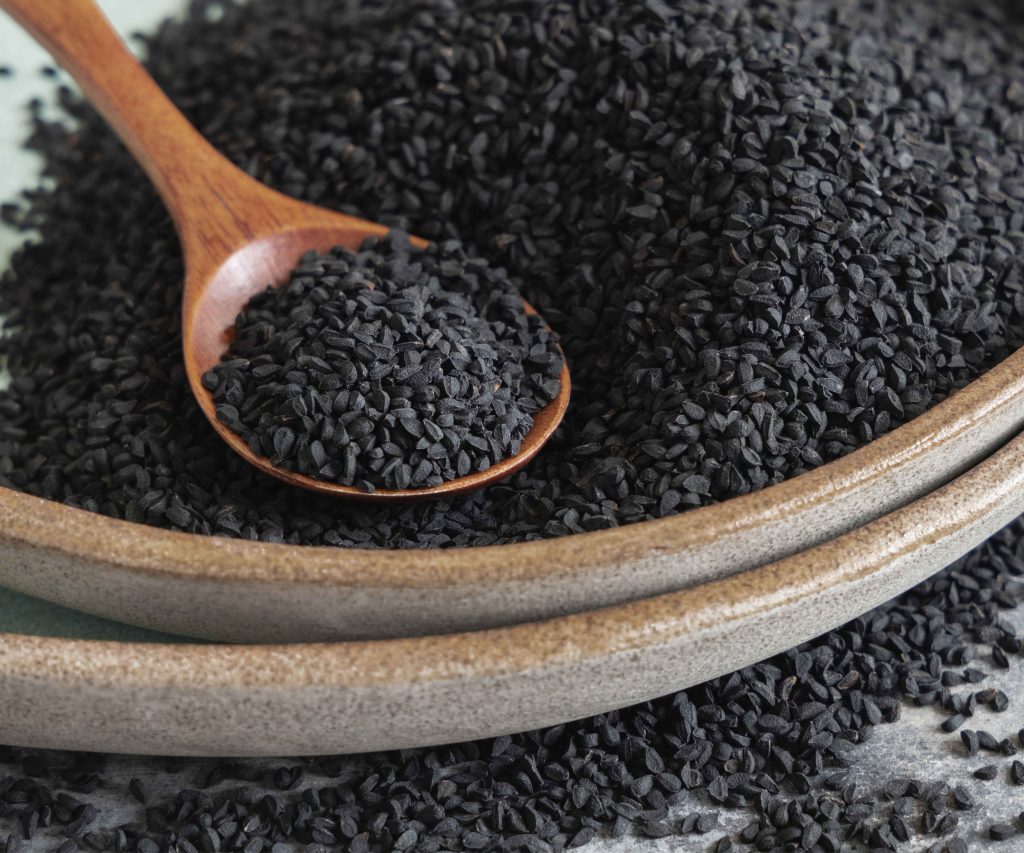
The Mighty Benefits of Black Seed
A Timeless Natural Remedy
Black seed, also known as Nigella sativa, has been valued for over 3,000 years as a natural remedy in many cultures. Prophet Muhammad famously stated that black seed (Habbatus Sauda) is a cure for every disease except death.
Modern science now supports these traditional beliefs, recognising black seed for its rich nutritional content and powerful health benefits. It contains essential fatty acids, proteins, amino acids, vitamins, minerals, and unique phytoconstituents that make it a valuable ally for overall wellness.
Thymoquinone: The Key Compound
One of black seed’s most valuable components is thymoquinone (TQ), a powerful bioactive compound believed to be responsible for many of its health benefits. Thymoquinone acts as a potent antioxidant, protecting cells from damage caused by free radicals. It also exhibits antibacterial, antiviral, and antifungal effects, helping the body fight off harmful microbes. In addition, its anti-inflammatory properties support the body’s natural healing process, making it a versatile nutrient for overall wellness.
Health Benefits of Black Seed
1. Allergy Relief
Black seed helps ease allergy symptoms by reducing histamine release, which is responsible for triggering allergic reactions. It can also help control asthma symptoms, improve breathing, and relieve nasal congestion, itching, and a runny nose.
2. Better Blood Circulation
By improving blood flow, black seed ensures that oxygen and nutrients are delivered efficiently to every part of the body. This can help reduce cold hands and feet, lessen tiredness, and relieve symptoms linked to poor circulation.
3. Anti-Inflammatory Support
Its anti-inflammatory properties may lower the risk of heart disease, ease joint pain that caused by rheumatoid arthritis, and improve certain skin conditions.
4. Heart Health
Black seed supports cardiovascular health by helping to increase good cholesterol (HDL) while reducing bad cholesterol (LDL). It also promotes healthy blood pressure, regulates triglyceride levels, and may lower the overall risk of heart disease.
5. Stronger Immune Defence
By boosting the activity of white blood cells, black seed strengthens the immune system, making it easier for the body to fight infections and maintain good health.
Who Should Consider Black Seed?
You may benefit from black seed if you:
- Have poor blood circulation.
- Want to strengthen your immune system.
- Experience frequent allergies, colds, or flu.
- Wish to reduce the risk of high cholesterol, high blood pressure, or heart disease.
Black seed is a powerful natural remedy with a rich history and growing scientific support. Whether you want to boost your immunity, improve circulation, or support heart health, adding black seed to your daily routine could be a simple and effective way to improve your overall well-being.
Frequently Asked Questions (FAQs)
1. Who is recommended to take black seed supplements?
Black seed is beneficial for those who want to strengthen immunity, improve circulation, support heart health, or manage allergy symptoms. It may also help individuals with high cholesterol, high blood pressure, or frequent colds and flu.
2. Is black seed safe for long-term use?
Yes, black seed is generally safe when taken at recommended doses. However, excessive intake may cause stomach upset or lower blood sugar and blood pressure too much, so people with underlying conditions should consult a healthcare professional before long-term use.
3. How do I choose the best black seed supplement?
Look for supplements that contain standardised thymoquinone (TQ) content, as TQ is the key active compound. High-quality options may also come in cold-pressed oil or standardised capsule form for better consistency and absorption.
4. How does black seed compare with other herbal remedies?
Unlike single-target herbs, black seed offers multi-functional benefits such as antioxidant, anti-inflammatory, antibacterial, and immune-boosting properties. Compared to garlic or turmeric, black seed provides broader respiratory, circulatory, and immune support.
5. Can I get enough black seed from food alone?
Black seed is traditionally used in small amounts as a spice or condiment (Habbatus Sauda) in Middle Eastern and South Asian cuisines. However, the therapeutic dose needed for health benefits is much higher than what you would get from food alone, making supplements a more practical choice.
6. What is the best time to take black seed?
The best time is usually in the morning with breakfast to support energy and immunity throughout the day. If taken as oil, it can also be split into morning and evening doses for consistent benefits.