Nutrients for sperm health

Nutrients for Sperm Health

Why Male Health Matters for Conception 
When trying to have a baby, male health is just as important as female health. Sperm carry 23 chromosomes each and deliver them to the egg’s 23 chromosomes to create a new life. For conception to be successful, sperm need to be healthy, abundant, properly shaped, and strong swimmers. 

Certain nutrients play a key role in maintaining sperm health, motility, and overall reproductive function. 

Key Nutrients for Sperm Health 

Zinc 
Zinc is an essential mineral with antioxidant properties that supports male reproductive health. It is a vital component in the formation of a sperm’s outer membrane and tail. Without these features, sperm cannot fully mature, making it harder for them to move effectively and fertilise an egg. 

Coenzyme Q10 (CoQ10) 
CoQ10 is a natural antioxidant produced by the body. It is concentrated in the midpiece of sperm, providing energy for movement and supporting overall sperm health. Adequate CoQ10 helps sperm maintain strength and motility. 

Vitamin C 
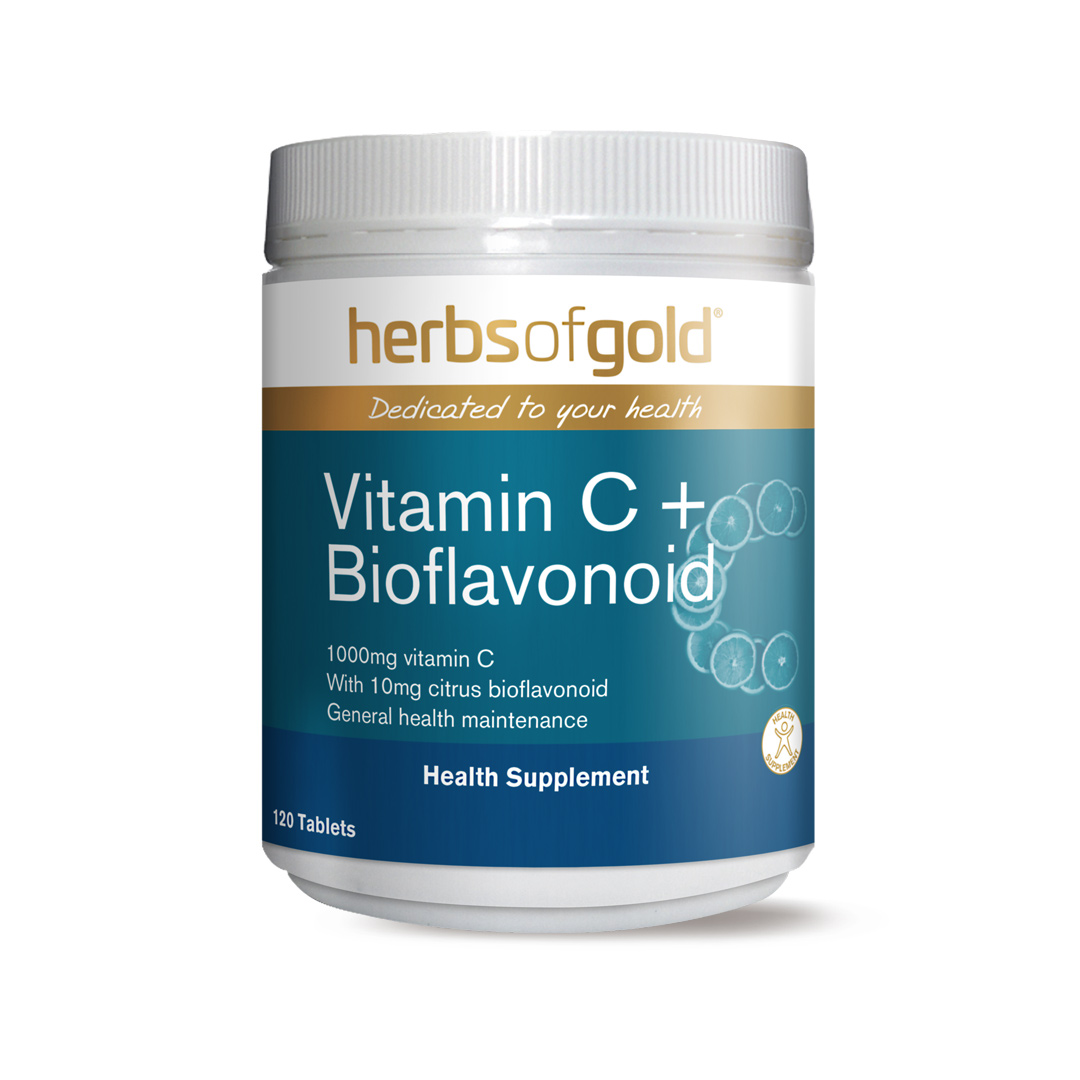
Vitamin C is a powerful antioxidant found in seminal fluid. It protects sperm from free radical damage and preserves DNA integrity. Because vitamin C is water-soluble and not stored in the body, it must be regularly obtained from the diet. 

Selenium 
Selenium is a mineral that supports testosterone production, sperm formation, and motility. It also acts as an antioxidant, helping to protect sperm from damage. Adequate selenium intake is important for maintaining overall male reproductive health. 

Supporting Fertility Through Nutrition 
Incorporating these nutrients through a balanced diet can help optimise sperm quality and reproductive health. Zinc, CoQ10, vitamin C, and selenium all play complementary roles in protecting sperm, enhancing motility, and supporting overall male fertility. 

Maintaining a healthy lifestyle, including regular physical activity, stress management, and a nutrient-rich diet, gives sperm the best chance of reaching and fertilising the egg. 

Frequently asked questions (FAQs) 

  1. Who is recommended to take sperm health supplements?
    Men who are planning to conceive, experiencing low sperm count, poor motility, or oxidative stress-related fertility issues may benefit from supplements containing zinc, CoQ10, vitamin C, and selenium. 

  2. Is taking sperm health supplements safe for long-term use?
    Yes, when taken at recommended doses, these nutrients are generally safe for long-term use. However, high amounts of zinc or selenium can cause side effects, so it is best to follow professional advice. 

  3. How do I choose the best sperm health supplement?
    Look for a product that combines key fertility nutrients: zinc for sperm structure, CoQ10 for energy, vitamin C for antioxidant protection, and selenium for testosterone and motility support. Choose supplements from reputable brands with transparent ingredient labels.

  4. How does a sperm health supplement compare with a general multivitamin?
    General multivitamins provide broad nutritional support, but sperm health supplements are formulated with higher levels of specific nutrients that directly enhance sperm function, motility, and protection against oxidative damage.

  5. Can I get enough sperm-boosting nutrients from food alone?
    A balanced diet can provide these nutrients—zinc from seafood and meat, CoQ10 from organ meats and fish, vitamin C from fruits and vegetables, and selenium from nuts and seafood. However, diet alone may not always meet fertility needs, especially in cases of deficiency or increased demand.

  6. What is the best time to take sperm health supplements?
    These supplements are best taken with meals to enhance absorption. Since sperm development takes around 70–90 days, consistent daily intake over several months provides the best fertility support.

Products you may be interested in

Read more articles and recipes

Need help? WhatsApp