High Blood Pressure: A Silent Threat to Health
Did you know that 3 in every 10 Malaysian adults suffer from high blood pressure? Also known as hypertension, this condition develops when the force of blood flowing through your vessels remains consistently high. It is often called the “silent killer” because it usually shows no clear symptoms—yet over time, it can quietly damage your organs and lead to serious health problems.
Understanding High Blood Pressure
Blood pressure is measured using two values:
- Systolic pressure (top number) shows the pressure when the heart contracts and pumps blood, while diastolic pressure (bottom number) reflects the pressure when the heart relaxes between beats. A healthy reading is around 120/80 mmHg, while anything consistently above 140/90 mmHg is considered hypertension.
- Because hypertension develops gradually and without warning signs, many people remain undiagnosed until complications such as chest pain, stroke, or vision problems emerge. This is why regular health checks are crucial, even if you feel fine.
Causes of High Blood Pressure
There isn’t a single cause, but a mix of genetic and lifestyle factors.
- Unhealthy lifestyle habits such as eating high-salt foods, drinking excessive alcohol, physical inactivity, or carrying excess body weight increase the strain on the heart and arteries, raising blood pressure.
- Inherited and external factors like family history, chronic stress, or hormonal changes can also make you more prone to hypertension, even if you live a relatively healthy lifestyle.
Dangers of high blood pressure
Hypertension can lead to severe health issues if left unmanaged, including:
- Heart disease: Increases the risk of heart attacks and heart failure
- Stroke: A major contributor to strokes caused by blocked or ruptured blood vessels in the brain
- Kidney damage: Impairs kidney function, potentially leading to kidney failure
- Vision loss: Damages the blood vessels in the eyes, increasing the risk of blindness
Why It’s Dangerous
If left unchecked, hypertension can gradually damage blood vessels and organs.
- Cardiovascular risks include heart disease, heart failure, and stroke, all of which are life-threatening conditions strongly linked to long-term high blood pressure.
- Other organ damage may involve kidney failure and vision loss, as hypertension injures small blood vessels in the kidneys and eyes, disrupting their normal function.
The Role of Nitric Oxide (NO)
One key factor in managing blood pressure lies in improving blood vessel flexibility.
- Nitric oxide (NO) acts as a natural vasodilator, meaning it relaxes and widens blood vessels, ensuring smoother blood flow and reducing strain on the heart. Low NO levels are associated with higher blood pressure and cardiovascular risks.
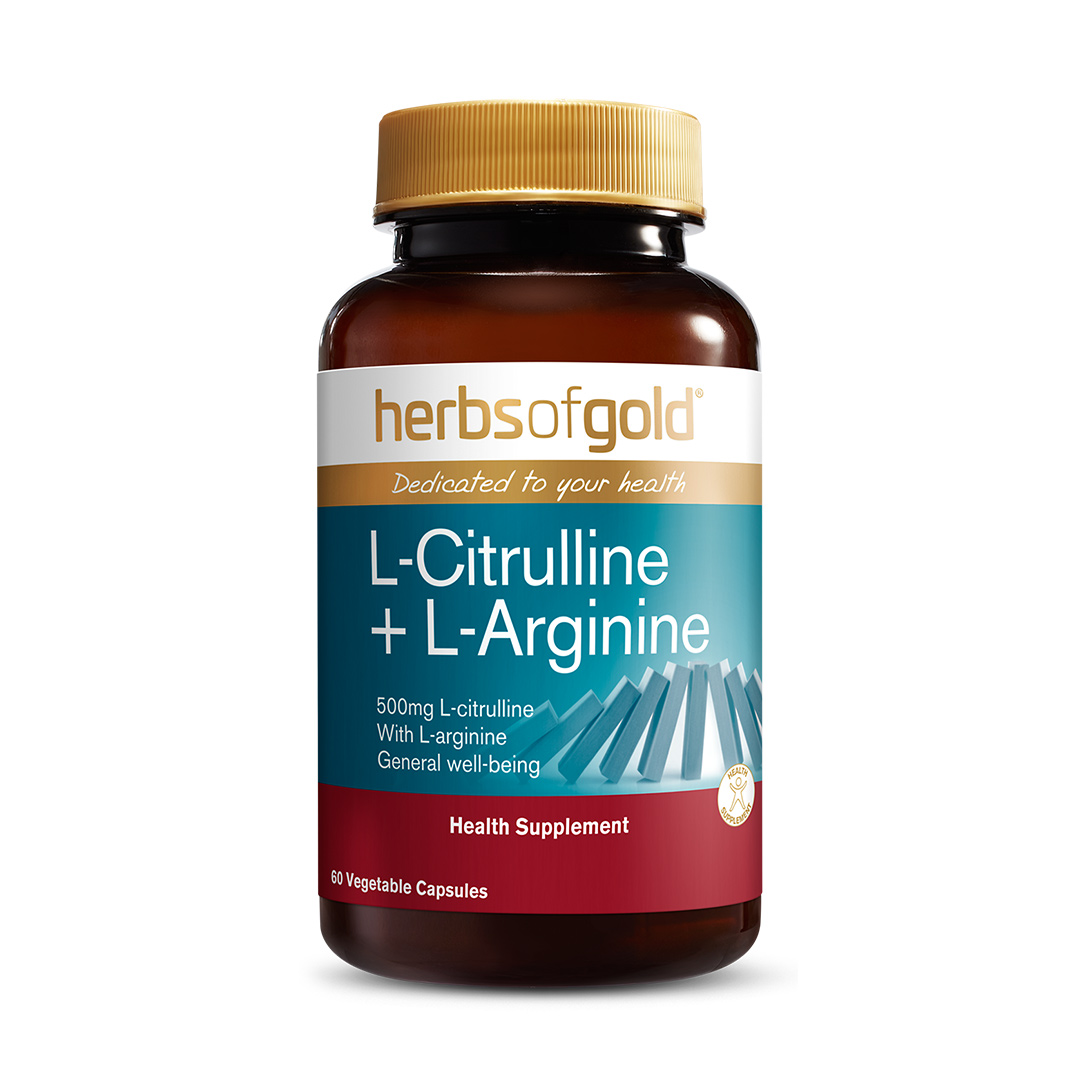
- Amino acids like L-arginine and L-citrulline help the body produce NO. While L-arginine is directly converted into NO, L-citrulline boosts and sustains L-arginine levels in the blood. Research shows that combining the two results in stronger, longer lasting NO production, making them powerful allies in supporting healthy circulation.
Taking Control
The good news is, hypertension can be prevented and managed. A combination of lifestyle changes—balanced diet, exercise, stress management—along with natural NO-boosting nutrients provides a strong foundation for better blood pressure control and long-term heart health.
Frequently Asked Questions (FAQs)
- Who may benefit from a nitric oxide support supplement?
People looking to support healthy blood pressure, improve circulation, or maintain overall cardiovascular health may benefit from a nitric oxide–boosting supplement. - Are L-citrulline and L-arginine safe for long-term use?
These amino acids are generally safe when taken at recommended doses. If you are taking blood pressure medication or have a medical condition, it’s best to consult a healthcare professional before long-term use. - What should I look for in a nitric oxide booster?
Look for a supplement that combines L-citrulline and L-arginine. Together, they help support sustained nitric oxide production and healthy blood flow. - How do nitric oxide supplements differ from other cardiovascular supplements?
Nitric oxide–supporting supplements work by helping blood vessels relax and widen, which supports circulation and vessel flexibility. They work best alongside healthy diet, exercise, and lifestyle habits. - Can I get enough nitric oxide support from food alone?
Some foods naturally contain L-arginine and L-citrulline, but supplementation can provide a more consistent and effective amount to support cardiovascular health. - When is the best time to take a nitric oxide supplement?
For optimal absorption, take it on an empty stomach or before exercise to support nitric oxide production and circulation.